"AC Black Flag Resynced Parkour & Movement Guide: Speed Boosts & Rooftop Circuits"
"Master movement in AC Black Flag Resynced: wall-run speed boosts, fall damage roll cancellation, manual jump controls, ziplines, and rooftop navigation."
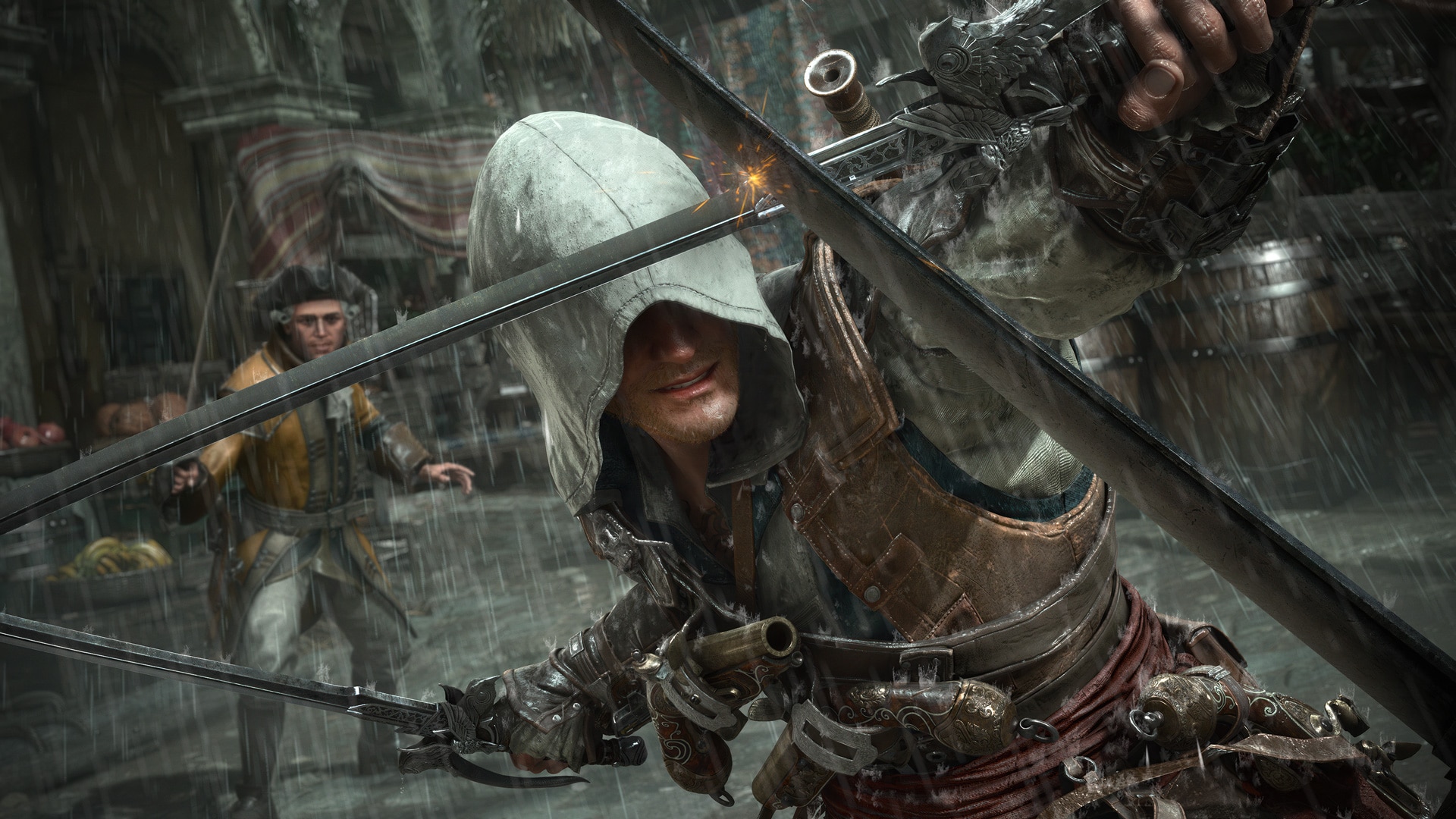
In Assassin's Creed Black Flag Resynced, traversal and parkour have been rebuilt from the ground up using the refined kinematic systems from Assassin's Creed Shadows.
This guide details the new movement mechanics, speed boost momentum chaining, fall damage cancellation, and optimal freerunning circuits across Havana, Nassau, and Kingston.
Parkour Mechanics Overview: 2013 vs. 2026
| Parkour Feature | Original (2013) | Resynced Remake (2026) | Mechanical Advantage |
|---|---|---|---|
| Wall-Run Mantle | Static climb animation | Momentum Speed Boost | +25% sprint burst when vaulting over ledges |
| High Falls | Lethal Damage / Stumble | Active Landing Roll Cancel | Completely negates fall damage and maintains full sprint speed |
| Jump Control | Automated edge leap | Manual Jump Trigger | Cross diagonal rooftop gaps and cut corners |
| Vertical Descent | Clunky drops / Wall stick | Dedicated Parkour Down / Side Eject | Rapid, controlled descents without unintended leaps |
| Urban Ziplines | None | High-Speed Skyline Ziplines | Cross entire city sectors in seconds |
1. Advanced Movement Mechanics & Momentum Chaining
flowchart LR
    A[Sprint toward Wall] --> B[Wall-Run Climb]
    B --> C[Mantle over Ledge]
    C --> D["⚡ +25% Speed Boost Active"]
    D --> E[Manual Jump across Gap]
    E --> F[Land with Active Roll Cancel]
    F --> G["🚀 Maximum Traversal Velocity Maintained"]
1. The Wall-Run Mantle Speed Boost
When Edward wall-runs up a building and mantles over the parapet, the physics engine awards a 2-second +25% sprint acceleration burst.
- Chaining Velocity: You can sustain this speed by jumping across consecutive rooftops, making urban chases and escape routes significantly faster.
2. The Landing Roll (Fall Damage Immunity)
- The Input: While falling from any high building or ship mast, mash the Crouch/Roll button (Circle on PS5 / B on Xbox / C on Keyboard) right before touching the ground.
- The Result: Edward absorbs the kinetic impact into a forward shoulder roll, completely negating lethal fall damage and transitioning directly into a full sprint.
3. Manual Jump & Side Eject
- By holding the High Profile trigger and tapping Jump (Cross on PS5 / A on Xbox), you can manually leap in any directional vector, bypassing preset climbing rails.
- While hanging on a vertical wall, holding the stick left/right and tapping jump triggers a 90-degree Side Eject, allowing you to grab parallel building ledges.
2. City Freerunning Circuits & Navigation Tips
1. Havana (The Rooftop Highway)
- Architecture: Flat Mediterranean roofs interconnected with clotheslines, wooden planks, and church spires.
- Optimal Circuit: Start from the southern harbor docks, wall-run the customs house to gain the speed boost, follow the rope bridges across the central market, and use the cathedral zipline to cross into the northern district.
2. Nassau (Canopy & Shanty Freerunning)
- Architecture: Dense tropical tree canopies intertwined with wooden shanties and swamp bridges.
- Optimal Circuit: Climb the massive banyan tree near the tavern. Branch paths lead continuously across all four quadrants without touching muddy ground.
3. Kingston (Long-Range Ziplines & Courtyards)
- Architecture: British colonial estates with large interior courtyards.
- Optimal Circuit: Use the new rooftop ziplines spanning between colonial warehouses to bypass ground patrols and restricted plantation gates.
3. Practical Parkour Pro Tips
- Rope Lift Elevators: In all three major cities, interact with the counter-weighted rope lifts at street corners to shoot Edward to the top of church steeples instantly.
- Mast-to-Deck Infiltration: On the Jackdaw, scale the center ratlines to reach the crow's nest, then use the yardarm ropes to swing directly onto enemy ship decks during boardings.
- Manual Hood Control: Tap D-Pad Right while walking to toggle Edward's hood up or down.
Sources & References
- IGN — AC Black Flag Resynced Parkour and Traversal Breakdown
- PowerPyx — Movement Mechanics & Trophy Walkthrough
- Boomstick Gaming — 25 Tips I Wish I Knew Earlier
Related Guides: Stealth & Infiltration Guide | All 50 Weapons & Best Loadout | First Hour Blueprint | All 12 Sequences 100% Sync | All 11 Fort Assaults